
Top 5 Creative Commons Zero (CC0) Graphic Resources
NEWS

In the fast-paced world of design and open source development, access to high-quality, free graphics can make or break a project. Whether you're building a website, crafting a UI, or contributing to a creative commons template, the ability to use visuals without legal friction is a game-changer. If we add the rising prices of royalty-free offers from stock imagery companies as well as unclear licensing policies for AI-generated images, using graphic resources with a CC0 license that the designers themselves have licensed in this way is the safest way to use them.
Why Public Domain and CC0 Licenses Empower Designers and Developers
Graphic designers and open source software users thrive on freedom—freedom to create, remix, and distribute without legal friction. That’s where Public Domain and Creative Commons Zero (CC0) licenses shine. While public domain status often arises when copyright expires or is waived by law, CC0 is a proactive legal tool created by the nonprofit Creative Commons to help creators voluntarily relinquish all rights to their work. It was designed to overcome the complexities of international copyright law, ensuring that a work is as free as possible for anyone, anywhere, to use without restriction. For designers, this means no attribution, no usage limits, and no legal ambiguity—just pure creative freedom.
Key Benefits of CC0 and public domain:
No Attribution Required: Use assets without crediting the creator—ideal for clean UI, commercial projects, or minimalist branding.
Unlimited Commercial Use: Monetize designs, templates, and software without worrying about licensing fees or restrictions.
Remix-Friendly: Modify, combine, and repackage assets into new works—perfect for prototyping, theming, or educational use.
Legal Safety: Avoid copyright strikes or takedown notices, especially when publishing online or distributing open source tools.
Global Accessibility: CC0 and public domain assets are borderless—usable across jurisdictions and platforms.
Top 5 website with CC0 and public domain graphic resources
1. FreeSVG.org
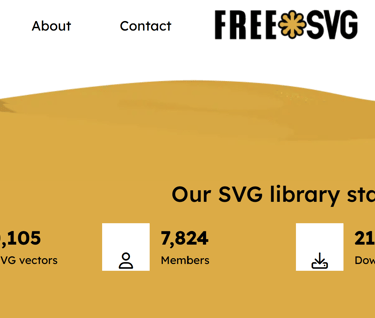
FreeSVG offers a vast collection of scalable vector graphics (over 170,000 files) released under the CC0 license, making them free for personal and commercial use. The site is especially useful for web designers and developers looking for clean, editable SVGs. Categories range from icons and illustrations to seasonal graphics and abstract shapes. Each file is downloadable in SVG and large PNG formats, ready for integration into any project.
This platform specializes in vector art and illustrations that are either public domain or explicitly released under CC0. It’s a go-to resource for designers seeking royalty-free assets for print, web, or educational materials. The site features a simple search interface and offers downloads of over 70,000 vectors in SVG, AI, and EPS formats. It is one of the major publishers of original CC0 vector graphics, not published anywhere else.
LibreClipart is a new repository of CC0 clipart designed to support open source and educational projects. It emphasizes clean licensing and higher quality vector graphics, making it a safe and transparent source for graphic assets. The site is still growing, but its commitment to free culture and remixability makes it a valuable addition to any designer’s toolkit. Ideal for LibreOffice users and template builders.
This site offers 670,000+ high-resolution photographs contributed by users who’ve waived their rights under CC0 or public domain. It’s particularly useful for bloggers, marketers, and educators looking for authentic, real-world imagery. Categories include nature, architecture, people, and abstract textures. While most images are free, premium downloads are available for higher resolutions.
OpenClipart is one of the oldest and most trusted sources of public domain clipart, with over 160,000 images available for unrestricted use. Every graphic is released under CC0, making it safe for commercial, educational, and remix projects. The platform supports bulk downloads and tagging, and it’s integrated into several open source tools like Inkscape and LibreOffice. A favourite among educators, developers, and template creators.
Related Stories
blog.libreclipart.org 2025
About
Libre Clip Art blog provides free vector images in popular open source formats as well as news and latest developments in the industry with special emphasis on graphics software and its vector formats. Our goal is to promote and empower open source formats and software with a special focus on LibreOffice.
Disclaimer: This website is not affiliated with LibreOffice or The Document Foundation. The content produced or distributed is covered under Creative Commons Attribution-Share Alike 3.0 License.